
Women at the Frontlines of Peace
Women's leadership in reuniting families in Jonglei and GPAA
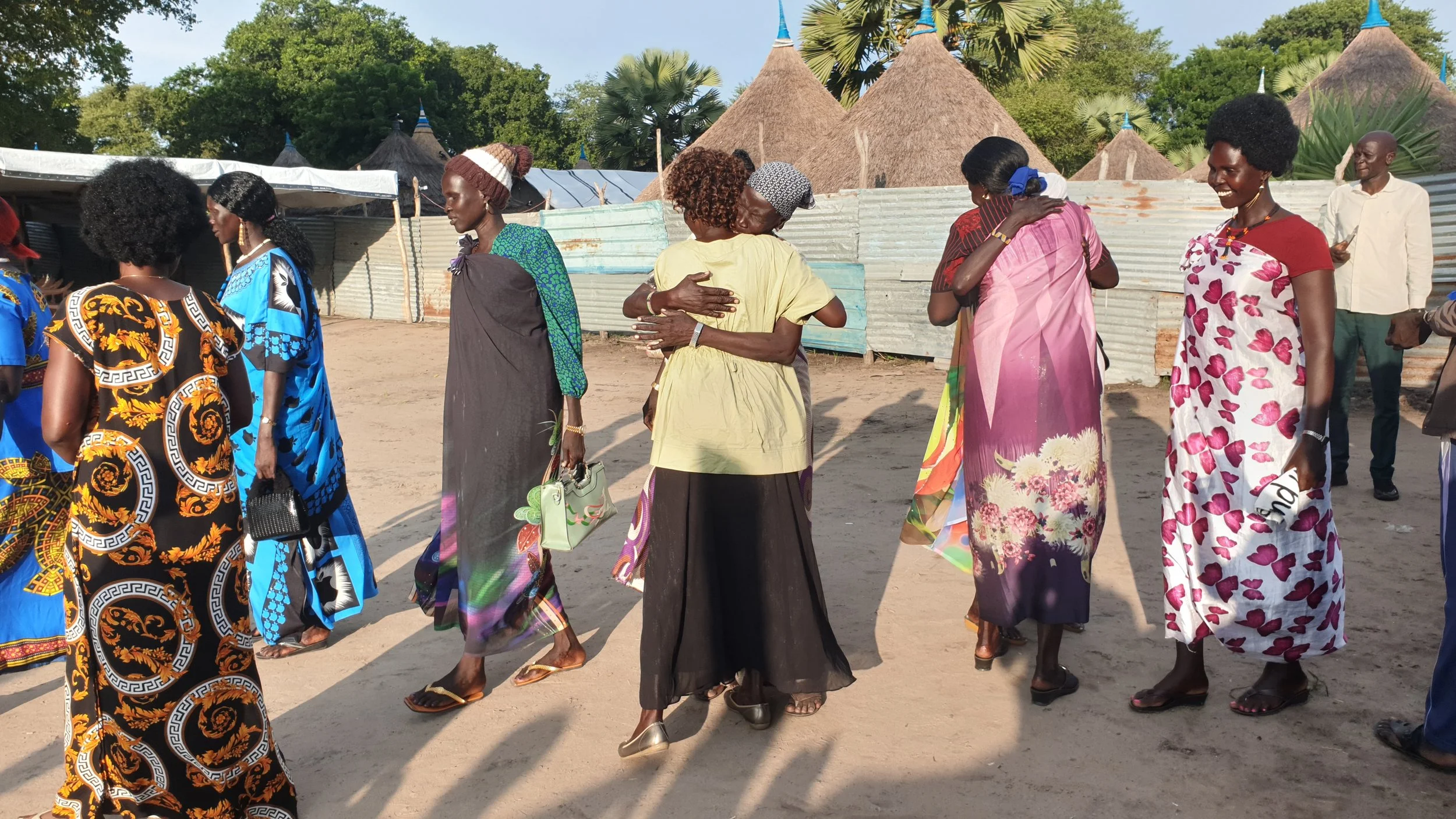
For far too long, women have been seen primarily as victims in conflict—spoken for, but rarely listened to. Yet in the community-led Piere Peace Process in 2021, which later evolved into the Inter-Communal Governance Structures (ICGS) platform, women have consistently demonstrated that they are not only affected by conflict but are central to resolving it.
From the early stages of the peace process, Dinka, Nuer, and Murle women made their voices clear, especially on the deeply painful issue of abduction. Their contributions went beyond recounting impact; they suggested solutions, offered commitments, and a vision for peace rooted in community responsibility.
During the 7th ICGS meeting, women reaffirmed their dedication to identifying abducted children within their communities and called for a joint women’s conference for Jonglei and GPAA. Their aim: to develop a coordinated strategy for tracing, recovering, and reintegrating abducted children.
By the 8th ICGS meeting, that commitment had transformed from rhetoric into action in Uror County. One of the women leaders took the lead organising campaigns across villages to identify abducted women and children and link them with local authorities. These efforts required immense courage. Child recovery in Jonglei and GPAA carries significant risks: insecurity during retrieval, limited support from communities—especially if their children are not returned too—and the danger of being labelled a traitor.
Still, the women of Uror decided to “test the waters.” They built trust and networks within their communities, strengthened collaboration with youth and local authorities, and demonstrated extraordinary bravery. Within a short period, they successfully recovered eight abducted children and women—a success driven by strategy, trust, and determination.
The woman leading the campaign and the process that led to the recovery of the children shared how she and her colleagues were arrested during the campaign. But thanks to strong support from youth leaders and local officials, they were released and able to complete their mission.
While collection and retrieval of abducted children is an uphill task, support and protection after the children are recovered is challenging as well. In some areas, when the children are recovered, they are taken either to the house of the Commissioner or the military institution for protection before they can be taken to their place of origin, following child protection principles. However, these institutions often do not have the resources to provide basic needs like food for the recovered abductees, which sometimes makes them hesitant to take up the responsibility.
On the side of the agencies in charge of handling such cases, it seems there are no readily available resources to support when they arise, or their bureaucratic processes become an impediment to providing timely support, protection, and keeping the abductees out of harm’s way.
This story is a reminder: women are not passive bystanders in peacebuilding. They are strategists, mobilisers, protectors, and bridges across communities. Their efforts reflect the heart of the POF peacebuilding approach - strengthening local structures - and demonstrate the value of the ICGS model in enabling community-led solutions.
Women are not just part of the peace process; they are shaping it.
