
From Conversation to Cultivation: how Women Are Turning Peace into Action
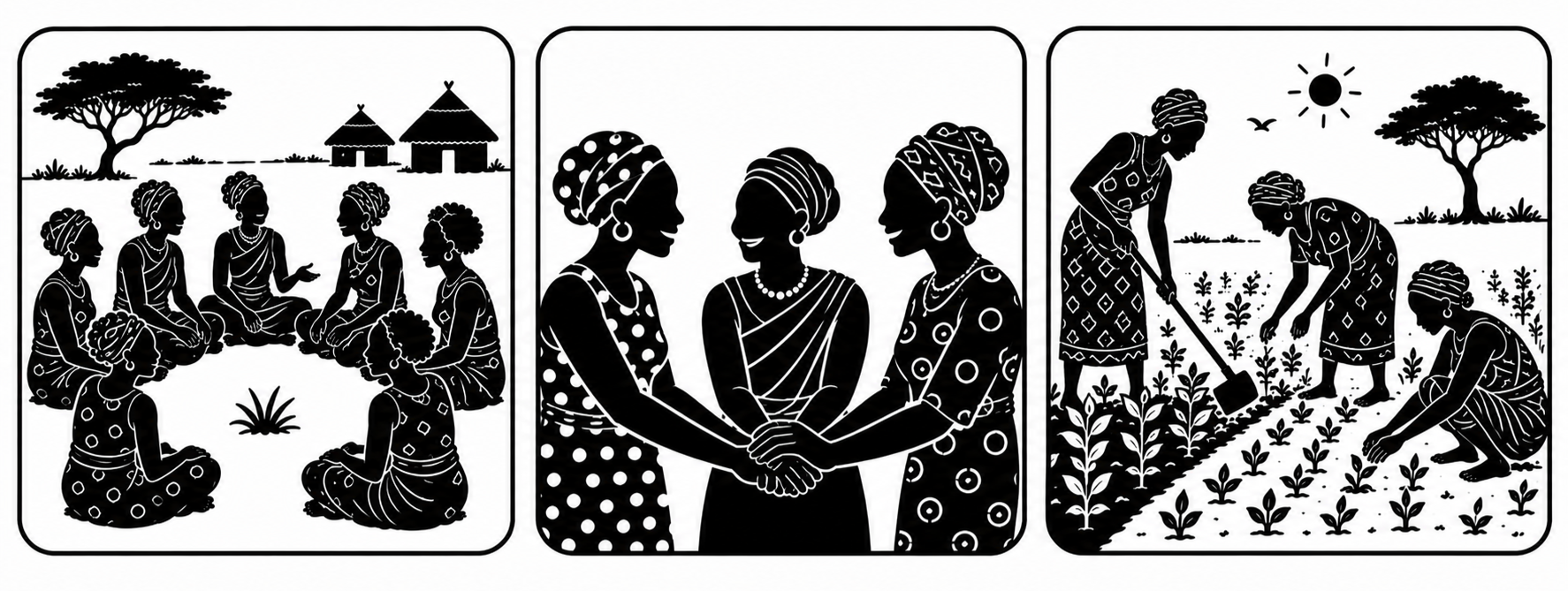
Across multiple circles, the Bridges of Peace initiative has proven to be more than a three-day gathering. It is a starting point: a space where women come together in solidarity, reflect on their experiences, and begin difficult but necessary conversations about healing and peace. For many, it is also a moment of reckoning: a chance to question the beliefs and narratives that have long held them back, and to challenge societal expectations about women’s roles in peacebuilding.
The women are clear-eyed about the scale of this challenge. Shifting deeply rooted norms is neither quick nor easy. Yet there is a shared resolve to begin where they are, with what they have, building on existing community structures and working alongside individuals who support women’s leadership in peace.
In Bor South County, one group of participants left the circle with a simple but powerful realisation: conversation alone is not enough. If empowerment is to take root, it must extend into their daily lives and livelihoods. They decided to form a Village Savings and Loan Association (VSLA), creating a practical pathway to support one another financially while sustaining the spirit of sisterhood they had built.
Over the course of a year, the group saved consistently. But as their confidence grew, so did their ambition. During one of their VSLA meetings, they agreed it was time to do more. They sought additional training to strengthen their financial management skills and began exploring ways to grow their income collectively.
Their next step was bold. They approached community leaders, chiefs, and youth representatives to request land for joint farming. What might have been impossible for an individual woman became achievable through collective effort. With community support, the group was allocated farmland, and they have since begun cultivating it together.
A similar story is unfolding in Duk County, where another group of Bridges of Peace participants has also secured land and started joint farming activities. These efforts reflect a growing shift: women moving from dialogue to tangible, shared economic action.
Challenges remain. Many of the women face gaps in technical knowledge, farming skills, and access to resources. Yet they are not waiting passively. They are actively seeking support and training to strengthen their initiatives.
To some, these may seem like small, ordinary steps. But they tell a much larger story. They speak to the power of collective action: women coming together to imagine, plan, and pursue what once felt out of reach. Where one woman alone might struggle to access land or resources, a united group, grounded in confidence and shared purpose, can open doors.
The Bridges of Peace circles may begin as conversations, but their true impact lies in what comes after. In places like Bor South and Duk, those conversations are taking root quite literally, transforming into livelihoods, leadership, and lasting change.
