Cultivating Peace Through Livelihoods
For over fourteen years, I have walked alongside communities navigating the fragile line between conflict and recovery. In that time, one lesson has become unmistakably clear: peacebuilding and livelihood programming cannot afford to live separate lives. When they do, something essential is lost.
I remember standing in a community where a well-funded livelihood project had taken root. Businesses were growing, incomes were rising, and by many measures, it was a success. Yet beneath the surface, tensions simmered. Old divisions—ethnic, social and political—had not been addressed. In fact, access to new economic opportunities had begun to mirror those same divisions, reinforcing resentment rather than easing it. It was a powerful reminder that economic growth alone does not guarantee peace. Sometimes, if we are not careful, it can deepen the very fractures we hope to mend.
That experience, and many others like it, reshaped how I see development work. Livelihoods and peacebuilding must be intentionally integrated and designed to speak to one another from the very beginning. When aligned, they do more than improve incomes—they help transform relationships.
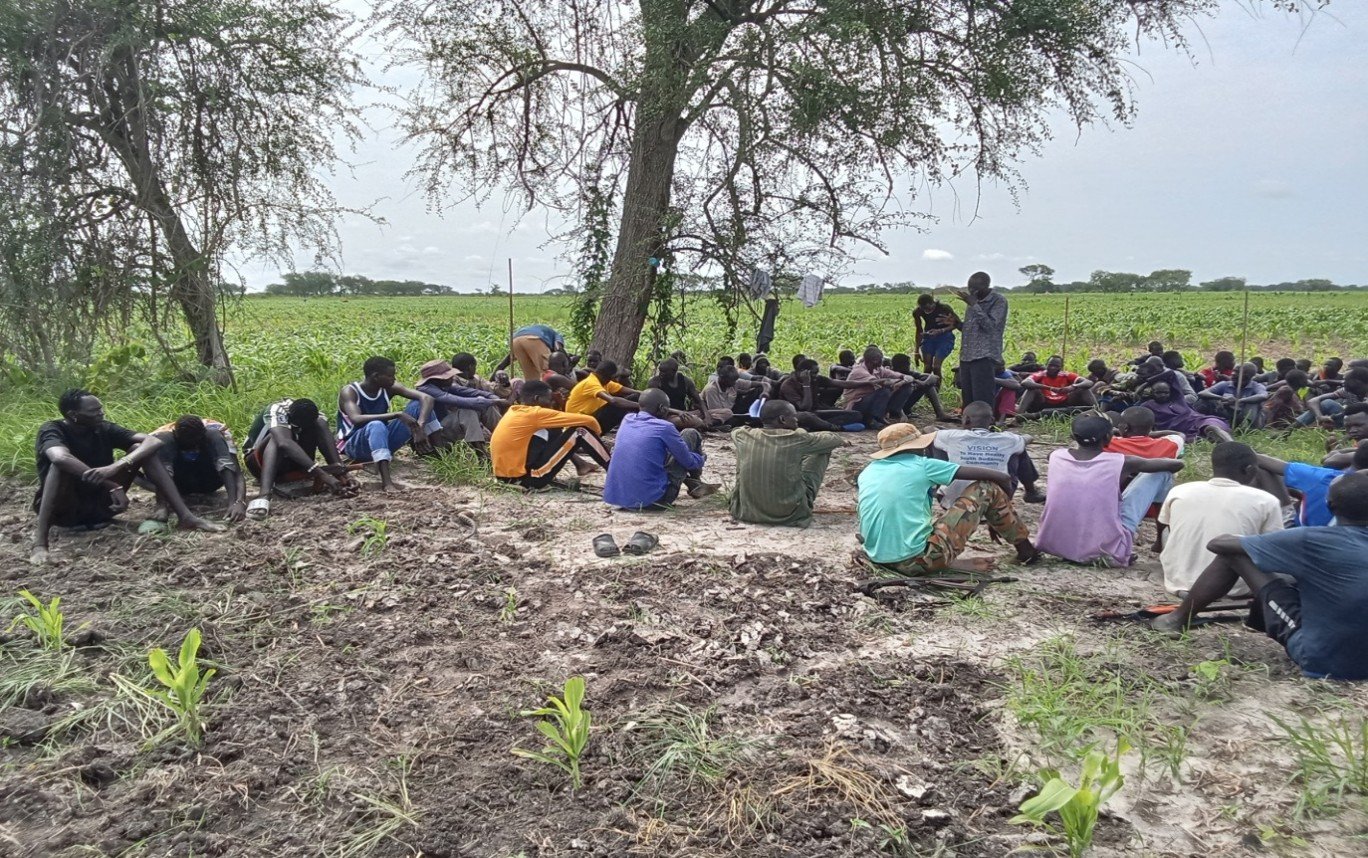
Integration starts with listening. Not just to the loudest voices, but to the full spectrum of a community: youth searching for opportunity, women balancing survival and stability, traditional leaders carrying history, and government actors shaping the broader system. These voices hold the keys to understanding both the local economy and the underlying conflict dynamics. Without them, even the most well-funded programme risks missing its mark.
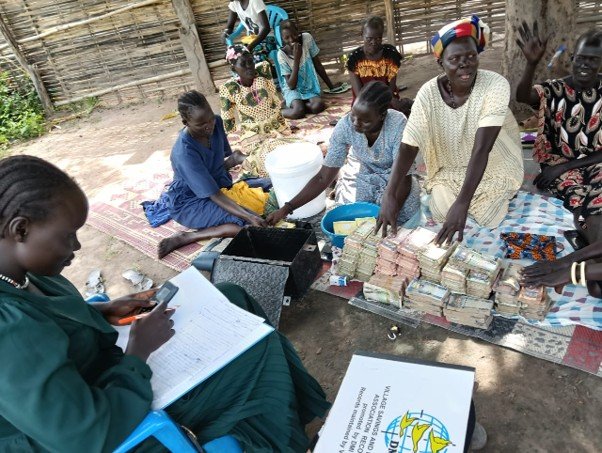
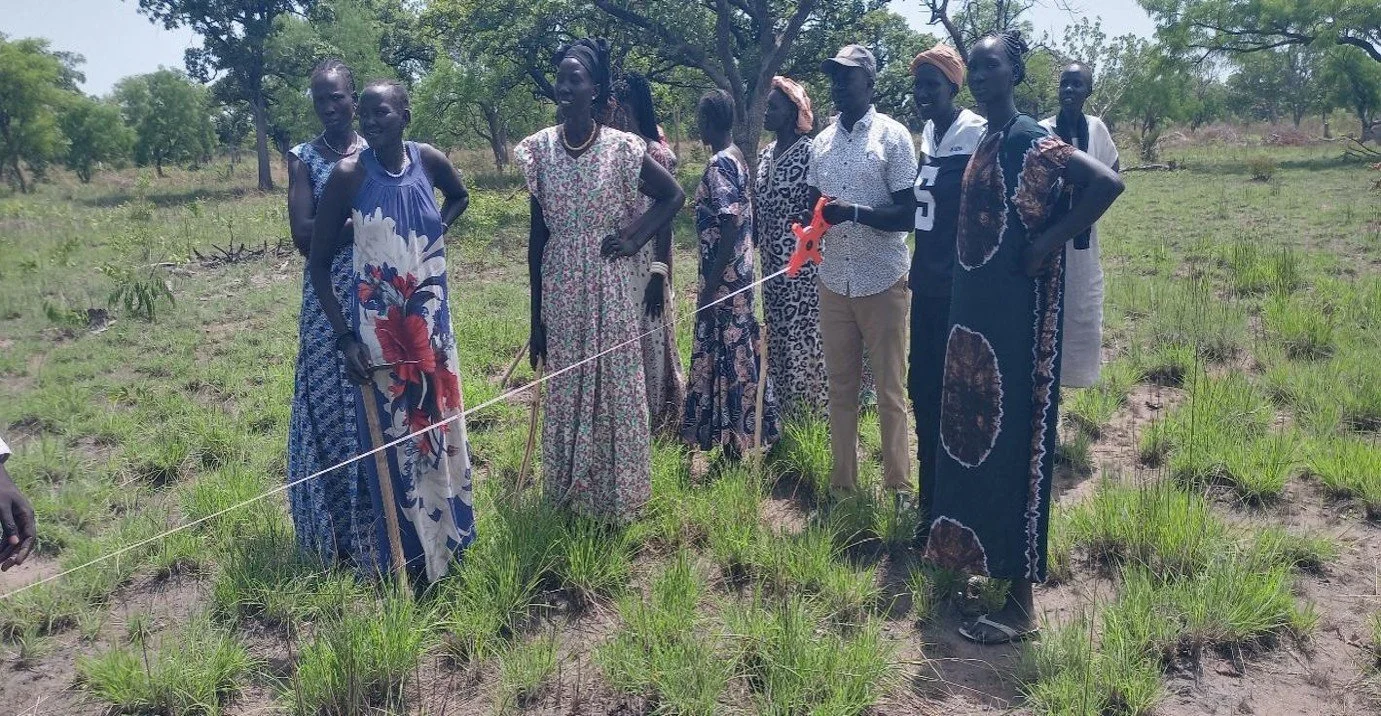
In places where this integration has been done well, I have seen remarkable transformations. Community institutions—especially Peace Farms, savings groups and trader associations—become more than economic platforms. They evolve into neutral spaces where people who once stood on opposite sides begin to collaborate. A shared harvest, a joint investment, a collective decision—these small acts slowly rebuild trust where it has been broken.
What makes the difference is a shift in focus from individual gain to collective benefit. When communities see that prosperity is shared, not competed for, something changes. Social cohesion strengthens. Financial access expands. People begin to invest not only in their own futures, but in each other.
Over time, these shifts lay the groundwork for something deeper than short-term stability. They create resilience—the kind that allows communities to withstand shocks, resolve tensions and move forward together.
This is why integration matters. Not as a theory, but as a lived reality. Because peace is not built in isolation, and neither are livelihoods. The two are intertwined, and when we design programmes that honour that connection, we move closer to lasting, meaningful change.