
When Peace Walks: February 2026 Road Openings Mission
This initiative was an ambitious plan to open up connections between communities along two key routes that span the expanses of remote Jonglei and GPAA.
Read the photo journal, daily blog updates and more on the background to the road openings below the map.
The journeys started on Wednesday 18 February.
Road opening Journal
-
Today unfolded under the shadow of recent agitation.
One delegation met with the Gumuruk community leaders following the cattle raiding and clashes that have affected families in the area. The atmosphere remained fragile, and there was uncertainty about whether the road opening could continue as planned.
The team met with the GPAA Chief Administrator and the community leadership to discuss the way forward. The Paramount Chief confirmed his commitment to the initiative, noting this is not the first time his own family has suffered such direct loss, and that it should not prevent a peace mission from continuing. Similarly, when the initial raid happened in Baidit, the Paramount Chief underlined the importance of the planned road openings going ahead.
Elsewhere, participants are already assembled. The group in Kadiang is ready, with final participants to join on Tuesday. Youth from surrounding areas will begin walking to Makol-Cuei in the morning. Some team members arrived from Juba today and will also proceed to Makol-Cuei. In GPAA, the teams will assemble in Bichibich and Manyabol, respectively.
Although the original plan was to begin the walking tomorrow morning, the start has shifted slightly. If all holds steady, teams will gather tomorrow and set off together on Wednesday morning. goes here
-
With the start of walking delayed by one day to Wednesday morning, today was primarily about final preparations and confirmation of logistics, as participants moved to the four different locations for the start of the walk.
As we settle in for the night, tents pitched, all four teams are assembled in Kadiang, Bichibich, Manyabol and Makol Cuei, respectively.
With all the ups and downs of the last week, remarkably all four groups are now ready to begin.
Today’s update is a short one, as we prepare for stories from the road across the four groups tomorrow.
-
The day began with delays across all teams except the Bichibich group, who departed as planned at 6am - saving their glitches for later in the day. Their progress was initially steady, though after several hours their support vehicle became bogged. In response, the team divided into two groups: one remained with the vehicle, while the other continued towards their planned first-night stopping point.
The team departing from Kadiang faced last-minute complications. Despite prior agreement on participant numbers and logistics, new questions arose about representation and who should travel. These tensions delayed departure, though they were eventually resolved and final participants began preparing to move. Never a dull, straightforward moment.
The Makol Cuei team experienced delays more the result of a relaxed approach to time. Although scheduled to leave at 8am, a couple of postponements meant departure would have required walking through the hottest part of the day. The group chose to wait until after lunch, setting off at 2pm and aiming to reach their first overnight location by 6pm. Most participants arrived before dark, with the final subgroup transported by the ‘salvation’ support truck to avoid travelling after nightfall. The team is now established at their overnight site.
At the close of the day, only limited mapping updates were possible. While Makol Cuei’s initial progress is recorded above, there was not yet a clear picture of the Bichibich team’s final position following the vehicle incident, and the Kadiang and Manyabol teams had not yet fully commenced their journeys. More clarity is expected tomorrow as movements stabilise and communication improves.
-
It’s becoming increasingly clear why previous road opening attempts in recent years have been unsuccessful.
The Makol Cuei team made solid progress through 21km of open expanse. The two points where water was anticipated were both dry, leading to an animated discussion whether the walking should give way to hitching a ride on the truck. The walking prevailed, with a tired crew finally setting up camp, unhelpfully welcomed by the local bee population.
On the other side of their route, the Manyabol team continued its progress and arrived at the planned meeting point. They are facing the same water shortage. The judgment on the optimal time of year for these adventures is a marginal one, with only a narrow window where the water points are sufficient for sustenance along the way, but not too much to make the way impassable.
Meanwhile, further north the Bichibich team, opting against yesterday’s plan, decided to remain together with the truck. They spent the day gradually unlocking the physics required to extract it with the limited tools at their disposal. As of this evening, they are confident to be underway again at some point tomorrow. Time will tell.
With all this going on, the Kadiang team is relaxing, waiting for the word from Bicbibich that they are back on track and that route can set out.
So this evening the process is still alive, amidst the nursing of bee stings, the aching from digging out truck wheels (not the intended form of exercise) and slight apprehension of impending water shortages. Where there’s a will there’s a way…
-
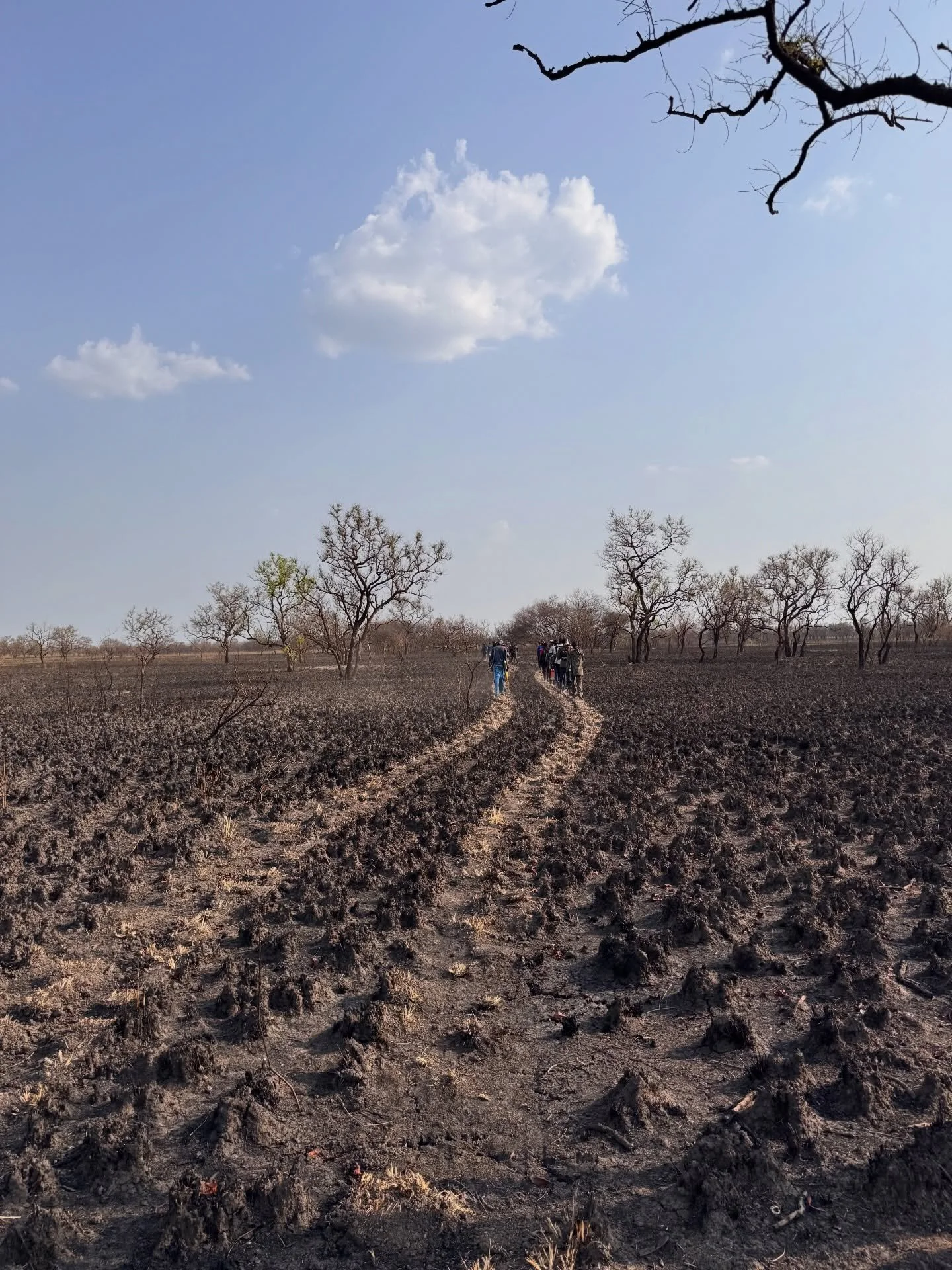
The sun gods had (not) been shining on the Makol Cuei team yesterday as they moved ahead through dry water point after dry water point. That blessing gave way to the usual scorching heat, as the pressure on water supplies heated up (or evaporated) further.
By late morning, the team decided that a more concrete solution than hoping for the best would be needed. The Manyabol team were already at the meeting point of Chalobo (and themselves running out of water). Despite the two teams only being 16km apart, they agreed instead both to divert towards the main road, where water had been confirmed. All things being equal, the teams will aim to meet by tomorrow evening near the water points along the main road.
In the course of discussion, some from the Makol Cuei side suggested that having come so close to the meeting point, we could say the road is effectively open, and return back to water points. The youth resisted this, wanting to continue through with the mission. This approach was only confirmed after speaking via whatsapp to the Chiefs from the Murle side, who gave unequivocal assurances of security on the proposed new route.
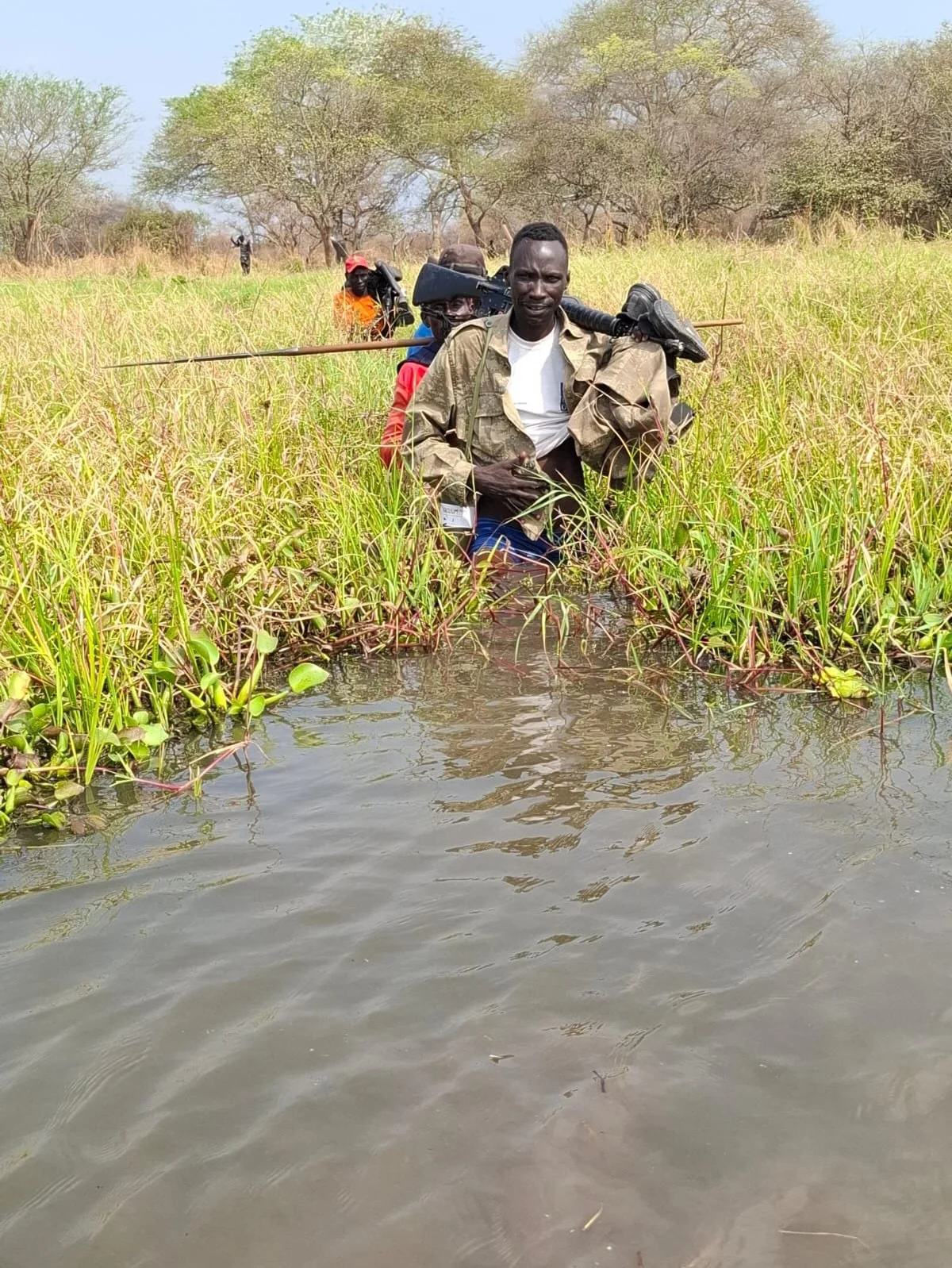
Further north with the Bichibich team, as if the bogged truck itself was not enough, a showering of very localised rain basically removed any prospect of a vehicle making it through alongside the team. They are continuing to assess options and alternative routes that would be guaranteed to have water.
Their counterparts in Kadiang are waiting restlessly, and an unneeded complication as the day unfolded came in the form of misinformation that this peace mission gathering was an armed mobilisation.
These peace processes are logistically difficult enough as it is in the vast territories of Jonglei and GPAA, and the spoilers test resolve even further.
-
Frustration reigned in Kadiang and with the stranded Bichibich team, while the Manyabol and Makol Cuei teams finally connected.
On the Kadiang side, by yesterday morning, all the youth were assembled in Kadiang. But while waiting for resolution of the stuck truck the other side, news of a cattle raid in Poktap landed. Some of these cattle belonged to youth who are part of the road opening mission, so they left to follow the cattle and attempt to retrieve them. Yesterday evening they came back, unsuccessful.
Today a group left to confirm the water availability at Manayak. On the way, they met with the group who had raided the cattle. They recovered the cattle, but two hours later were attacked again as they returned and the raiders took the cattle back. Two people were injured in the attack.
This leaves the whole road opening on that side in an uncertain position, and the situation will be assessed again tomorrow once the youth have returned to Kadiang.
This is further complicated by the beleaguered luck of the Bichibich team. The truck sent to unstick the first stuck truck itself became stuck as it tried to position itself. This leaves them in a bind; leaving the trucks unattended will lead to them being scavenged for parts, so tomorrow’s emphasis operationally shifts to finding a resolution to that, before coming back to the road openings questions.
On the Makol Cuei-Manyabol route, the agreement yesterday to divert towards water points along the main road remained in place. The enthusiastic Manyabol team made the seven hour walk through the afternoon and evening yesterday.
The Makol Cuei team only knocked off a couple more hours of the walk yesterday, leaving early this morning to cover the roughly 21km that remained to reach the road, arriving at 1pm in blistering (in some cases literally) heat.
By mid-afternoon, the Manyabol team made its way down the road (using their support vehicle, after all the detours and delays), and the two teams finally connected. Though not in the originally intended location, it was with no less enthusiasm for having linked up in one place, and with plenty of water around to fuel the exchanges.
As everyone ends another day, the fate so far of the teams sums up the challenges and opportunities of working for peace in these areas, operationally and relationally.
-
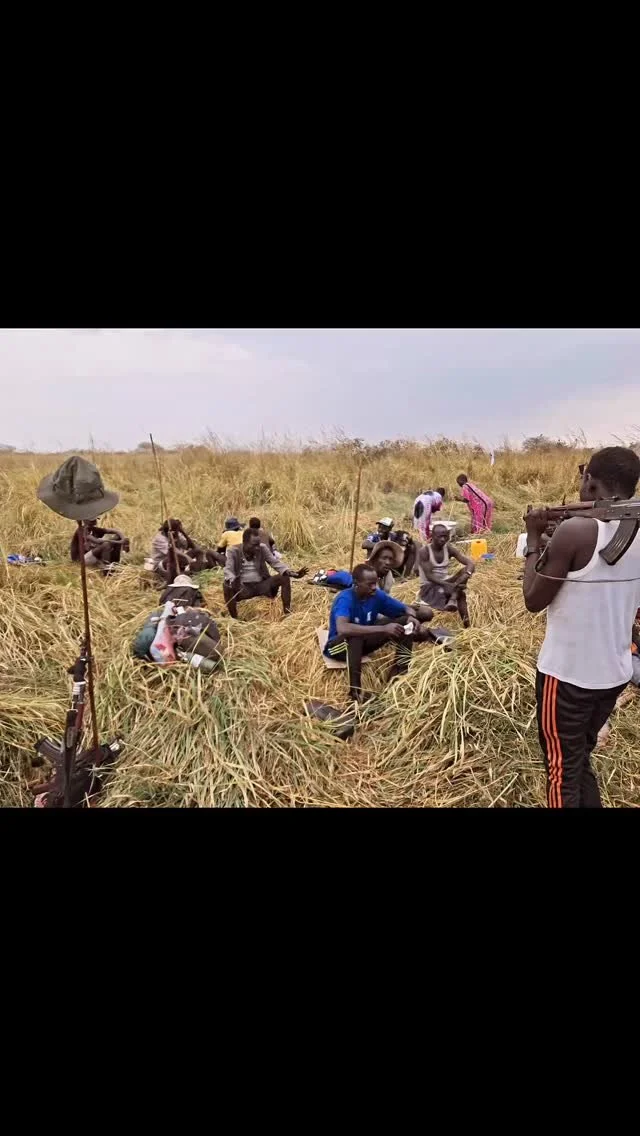
At the Makol Cuei–Manyabol meeting point, the day was another endurance event, this time of speaking rather than walking.
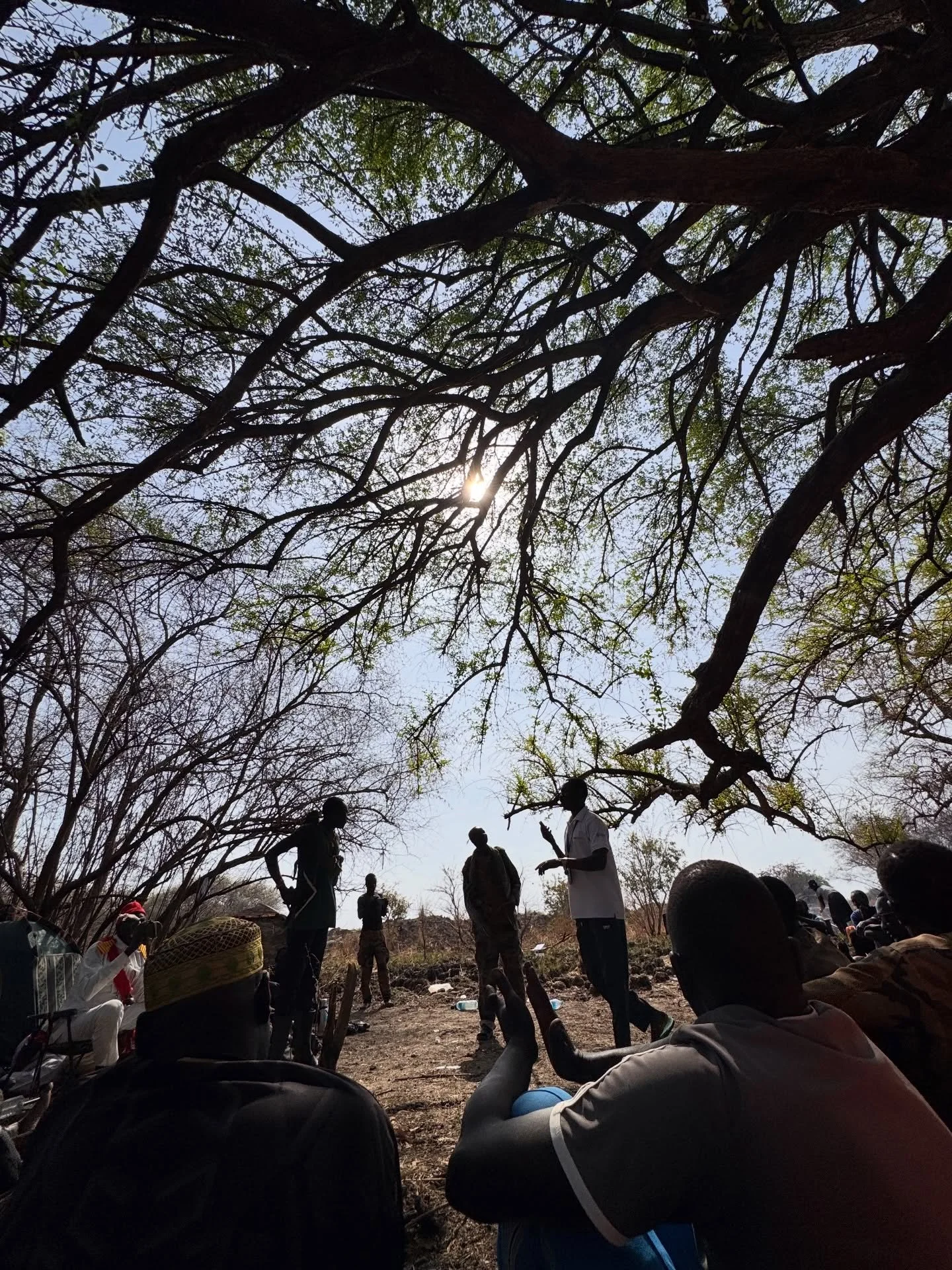
After waking to the dulcet tones of Murle singing and prayers from around 4.30am, the official talking started at 8am and continued until close to 6pm.
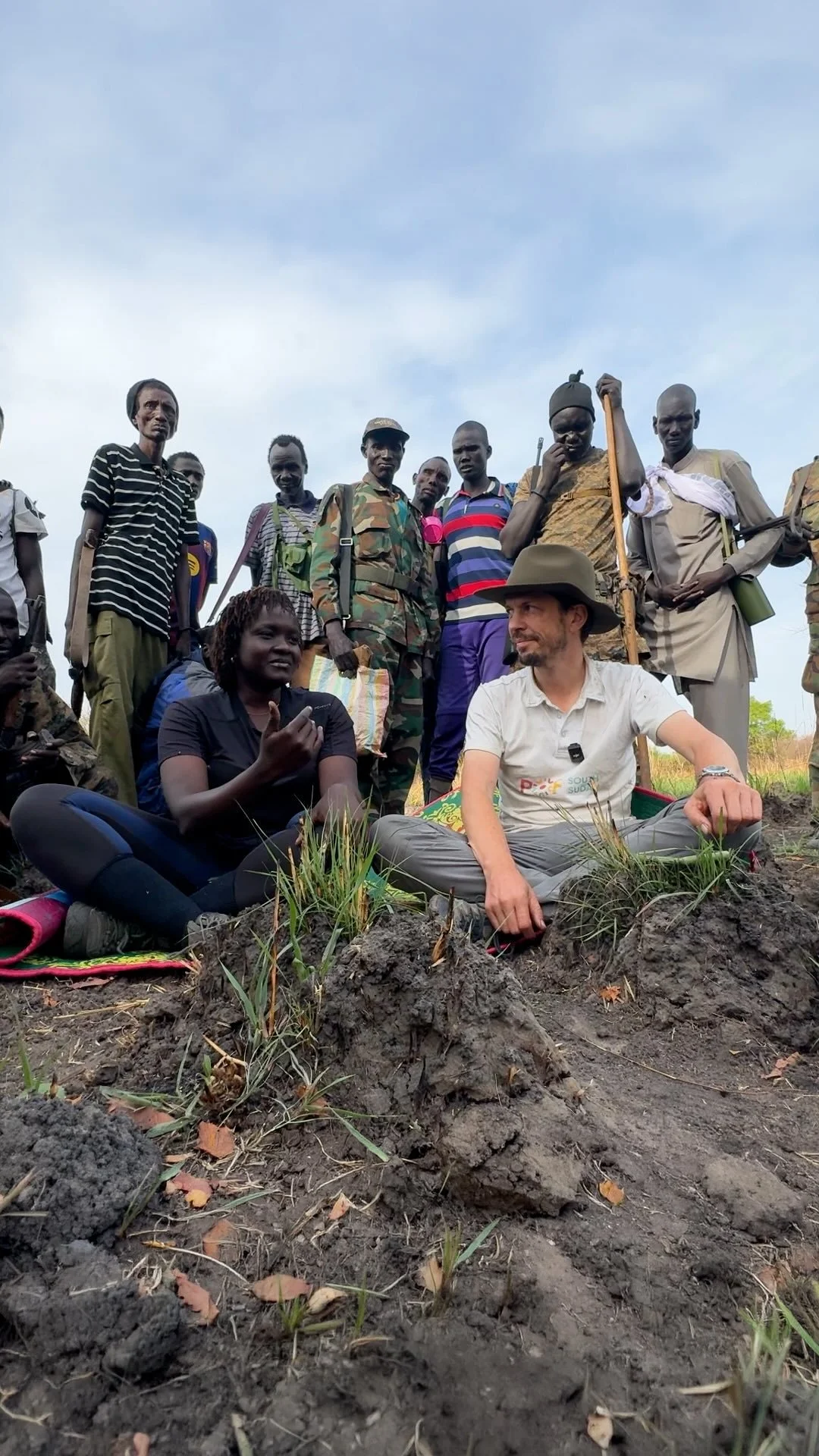
The youth and chiefs from both sides shared their impressions of the road openings and the key steps needed to consolidate the impact of the initiative.
The tone of the sharing was largely constructive, with some detours into blame and distortion of events. Both Paramount Chiefs clearly underlined, however, that it’s both untrue and counter-productive for each group to characterise the other side as wrong on all counts. There are those advocating strongly for peace on both sides, there are those on both sides seeing criminality as their best livelihood option, and those happy to go in whichever direction the wind takes them.
This more nuanced rhetoric hasn’t been as prominent in previous situations. While plenty more work is needed to back it up, the evidence of it being not simply rhetoric is in the meeting itself. Previously, the raids and counter-attacks that led up to the road openings would most likely have led one side or the other to pull out of the process. But this time both Chiefs Gulech and Maalak, as well as the youth leaders, insisted that the process should go ahead.
At the end of the day, with the question put to the group whether the meeting should continue another day and whether the original plan to continue to each other’s communities should remain in place, there were different views. The Dinka Bor group felt that everything had been discussed, whereas the Murle felt there were more details to clarify explicitly. The compromise this led to was two spontaneous smaller group discussions oriented along the lines of the communities directly facing each other. The outcome of those discussions will be shared first thing in the morning before the teams depart.
Talk is cheap, and feels especially so after the embodied implementation of the ICGS agreements over the last days. Time will tell whether the talk has more will behind it this time.
Meanwhile, the events on the side of Kadiang, combined with the supply truck issues of the Bichibich team, mean that a hiatus looks likely in the implementation of that road opening, but there will be further meetings on both sides tomorrow morning. A dumper truck is on its way out to the team to extract the two stuck trucks, which they hope will at least address their immediate issues.
For years, the imperative of reaching further into the remote areas between these two communities has been a priority. Establishing the centres in Bichibich and Wuno has been a significant step in this direction. The road openings mission underlines that it is all a lot easier said than done.
-
While the Bichibich team made the most of their predicament, engaging the local community in the area, the Makol Cuei-Manyabol team wrapped up their meeting in Zero Zero.
They concluded with practical implementation priorities from the youth representatives along the Manyabol–Makol-Cuei–Anyidi and Makol-Cuei–Logichar corridors.
The first set of commitments focused on immediate conflict prevention measures around cattle management. Youth leaders agreed on constructing cattle fences in Manyabol, Anyidi, Makol-Cuei and Logichar to reduce intermingling of herds and minimise the triggers for raids. Alongside this, they prioritised the construction of additional boreholes and water points to ease pressure on shared resources for both livestock and communities.
A second strand of action relates to economic engagement. The youth requested that existing cattle trade funds be decentralised and channelled directly to the reopened road corridors, with an expansion of seed capital for cattle trading groups. The intention is clear: keep young men economically occupied, strengthen legitimate trade routes, and reinforce the peace dividend of open roads.
Communication and rapid response capacity also featured prominently. Youth leaders asked for motorbikes to enable quick intervention in the event of incidents, as well as basic office equipment, including internet connectivity (including Starlink access in Logichar, Makol-Cuei, Manyabol, Anyidi and Gumuruk)—to improve coordination, information sharing and record-keeping across the corridor.
In addition, they reiterated the importance of completing the return of raided cattle and abducted women and children from the recent spate of violence, as a confidence-building measure to consolidate the road openings. Importantly, both sides indicated that their efforts to redress the losses (cattle and abducted children, respectively), would not be contingent on the other side’s progress.
Looking ahead, there was a strong call for structured follow-up meetings: first in Makol-Cuei bringing together representatives from Logichar and Makol-Cuei, and then a reciprocal gathering in Logichar. These exchanges are intended to maintain momentum, reinforce accountability, and keep the road active in both directions. What remained unclear was why the groups were not willing to effect these exchanges immediately, building on the momentum already in place, and while both groups were together.
Finally, with the rainy season approaching, youth peace farms were highlighted as a priority. Preparations need to begin immediately so that cultivation can start on time. With Makol-Cuei now functioning as a centre point, both sides expressed readiness to begin movement along the reopened road from March onwards - turning symbolic access into sustained, practical connectivity.
Overall, the outcome was clear: translate the road opening from an event into a system - supported by infrastructure, livelihoods, communication, and continued face-to-face dialogue.
After the conclusion of the meeting, the teams made their way back towards Manyabol and Anyidi-Bor-Makol Cuei respectively.
With the ongoing incidents along the Kadiang road, and the fragility of trust between the communities, it will need more than words for this initial resolve to translate into a more enduring stability.
All that remains in the short term now is for two trucks to be dragged from the swamp in Nanaam. Not quite phoenixes from the ash, but it will feel like it for the team that has been grounded there for the last week.
-
After the diversion towards the water points of the main road on the Makol Cuei-Manyabol route, the groups decided that the follow-up engagements in Manayabol and Makol Cuei with mixed groups were not the immediate priority (whether this was wise remains to be seen).
So the groups made their way back to their respective home bases, with the Kadiang team similarly setting out back towards Bor.
The POF team headed to Juba to begin pulling together reflections on the experience, while the Manyabol and Bor Peace Canal teams shifted focus to supporting the extraction of the stranded Bichibich Team. That said, the Bichibich colleagues made the mistake of sending video clips of themselves enjoying fresh milk provided by the local community, which evaporated some of the sympathy accumulating for their predicament.
By first thing on Day 09, another 'rescue’ truck was on its way to try and pull out the bogged trucks. Finally, by mid-afternoon, both trucks were hauled out and the team will now say goodbye to their temporary riverside home and return to Bichibich for some further community engagements, before heading back to town.
A lot of the specifics on all routes unfolded very differently from the plan. Nonetheless, positive stories of commitment, trust and resilience emerged on all sides. Most importantly, a foundation is in place for the next step.
As always, it could all unravel. As always, a broader window of opportunity might be around the corner.
For now, if you’ve read this far, have a listen to the latest POFcast where you hear a bit more detail, including the wild story from the Bichibich Team.
For more on the road openings initiative:
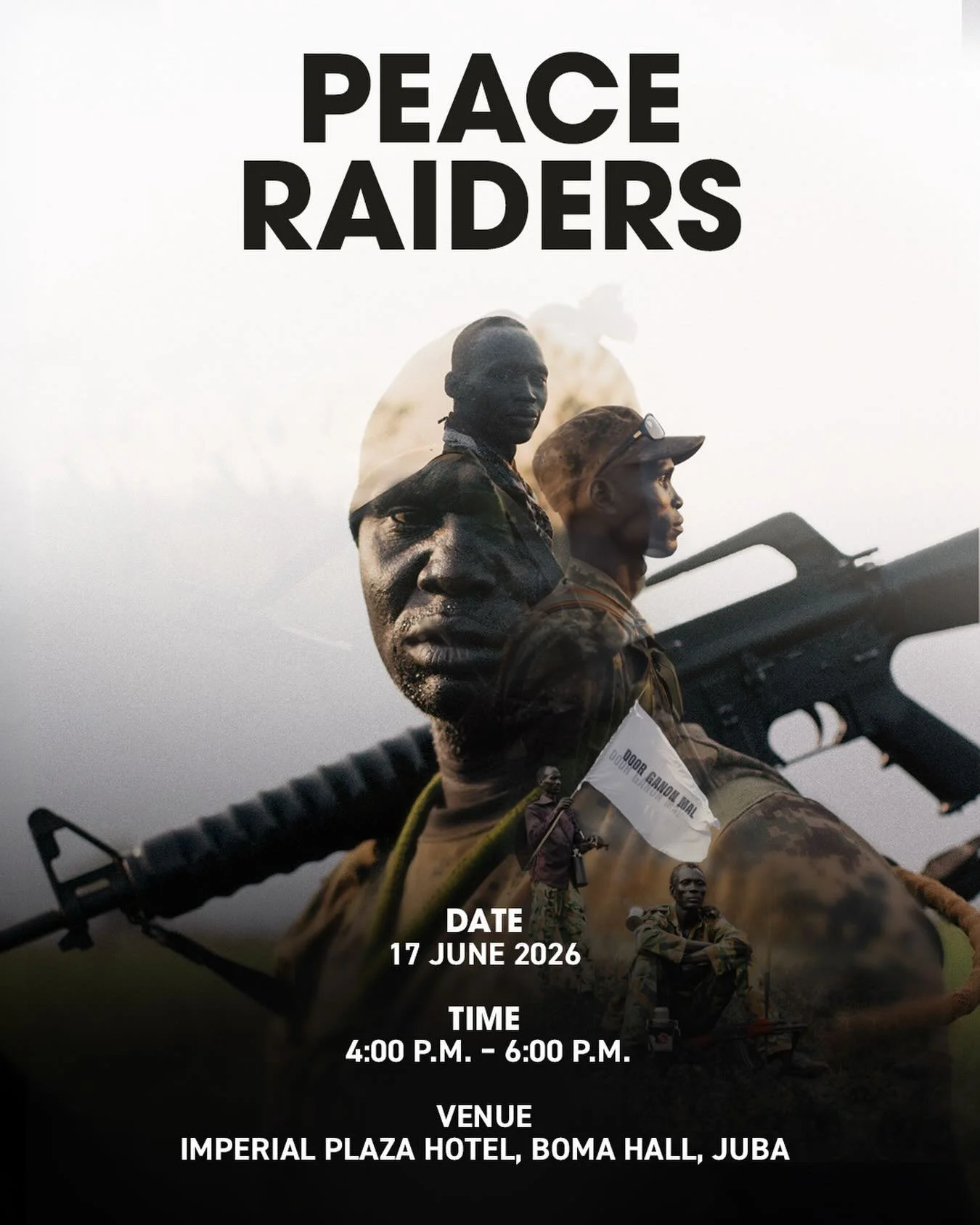
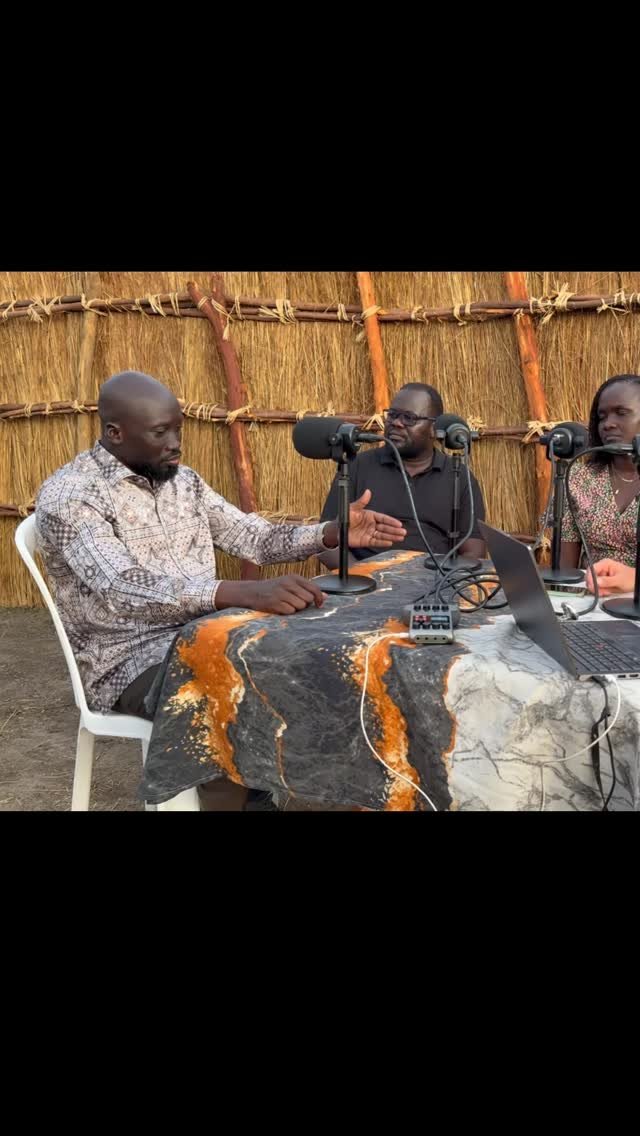
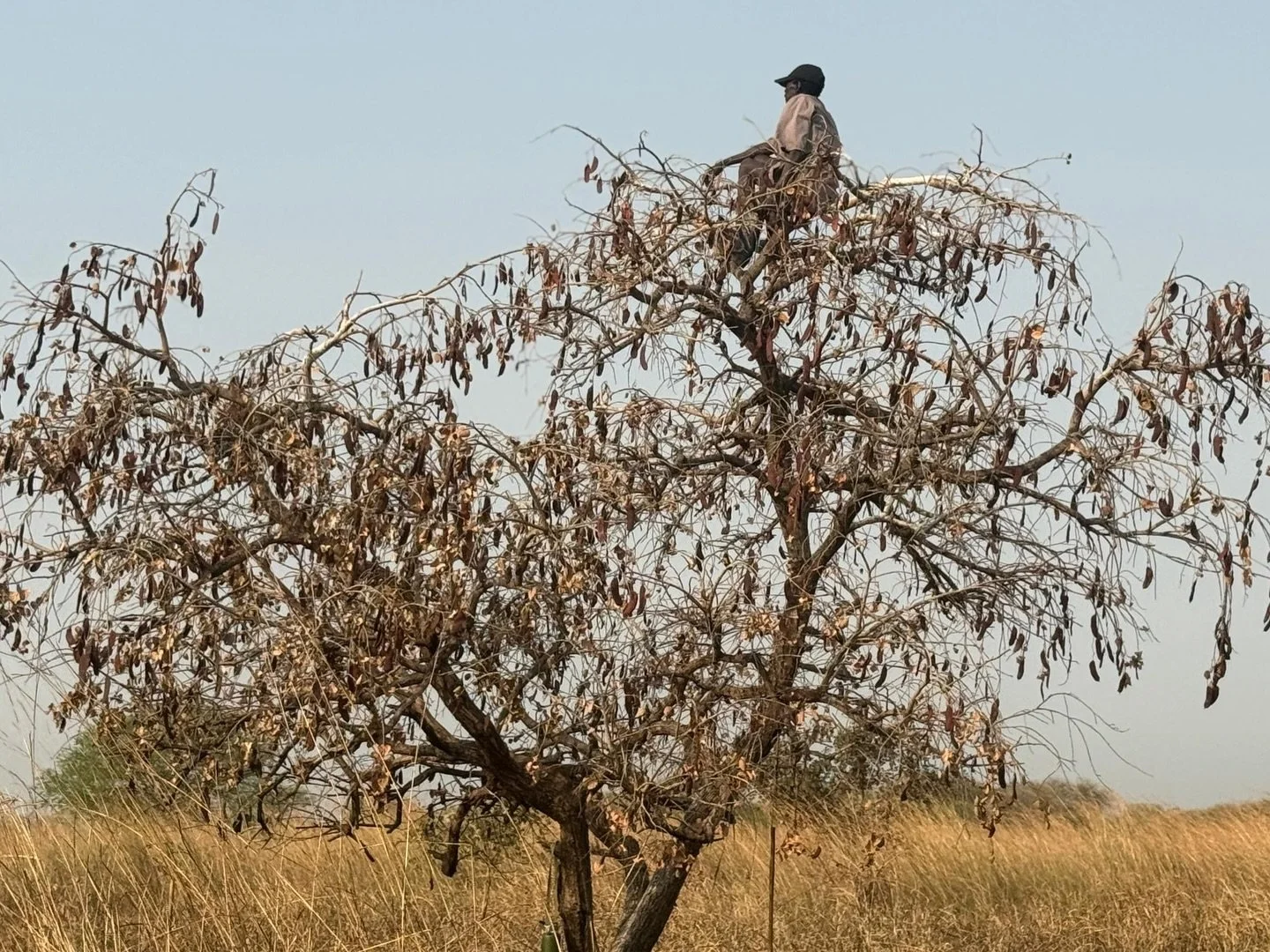
Background to the road openings
The road opening initiative and why roads matter
In February 2026, communities across Jonglei and the Greater Pibor Administrative Area (GPAA) will begin efforts to reopen the roads linking their areas to one another.
In these fragile and conflict-affected settings, roads are never merely infrastructure. They are lifelines for trade, access to services, and relationships between communities. When roads are blocked, communities become isolated physically, socially, and economically. Markets decline, rumours spread unchecked and, over time, disconnection hardens into mistrust and division.
For the Dinka, Nuer and Murle communities in Jonglei and GPAA, reopening key road corridors has repeatedly emerged as a practical, vital, and symbolic peacebuilding priority. This call dates back to the 2021 Pieri Peace Process, as well as subsequent intercommunal peace engagements involving chiefs, cattle camp youth leaders, women, and local authorities from these three communities.
Road opening is not simply about clearing physical pathways. It is about restoring safe movement, rebuilding relationships, reducing cycles of revenge and cattle raiding, and enabling communities to reconnect and strengthen dialogue.
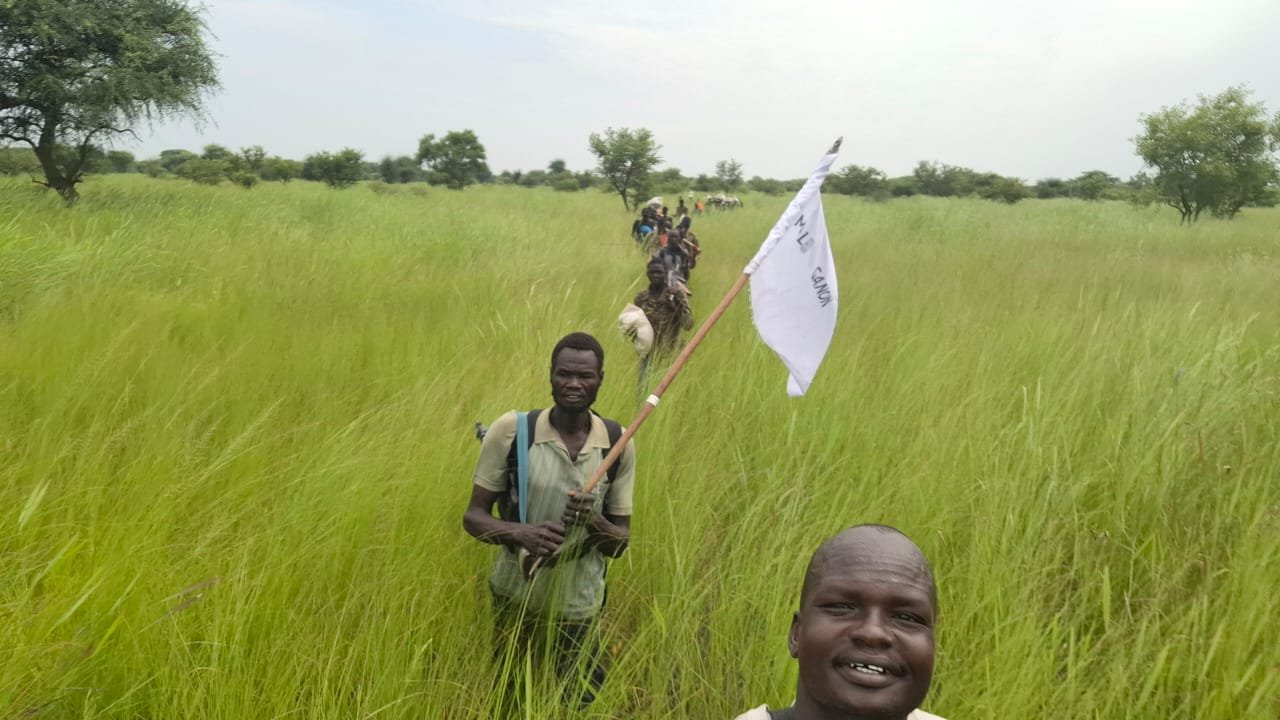
Nuer community on the unsuccessful road openings mission, August 2025
This process often involves days of walking along the routes linking communities to one another. White flags will be placed along the routes, and peace messages and commitments will be shared in the villages along the way. Armed youth leaders, women, chiefs, and local authorities from the three communities will be part of the delegation.
In the days leading up to the mission, there have been two cattle raids against communities from Jonglei, but the Jonglei and GPAA community leaders and government authorities have affirmed that these attempts of criminals to undermine the process should not succeed, and that sustainable peace will not come from retaliation. The GPAA Chief Administrator, as well as noting that already they have apprehended three suspects in relation to the Duk raid, underlined the principle:
‘… lasting peace and security in Jonglei and Greater Pibor can only be achieved through cooperation, collaboration, and coordinated action.’
The act of the community walking together becomes a public declaration: we are not at war this season.
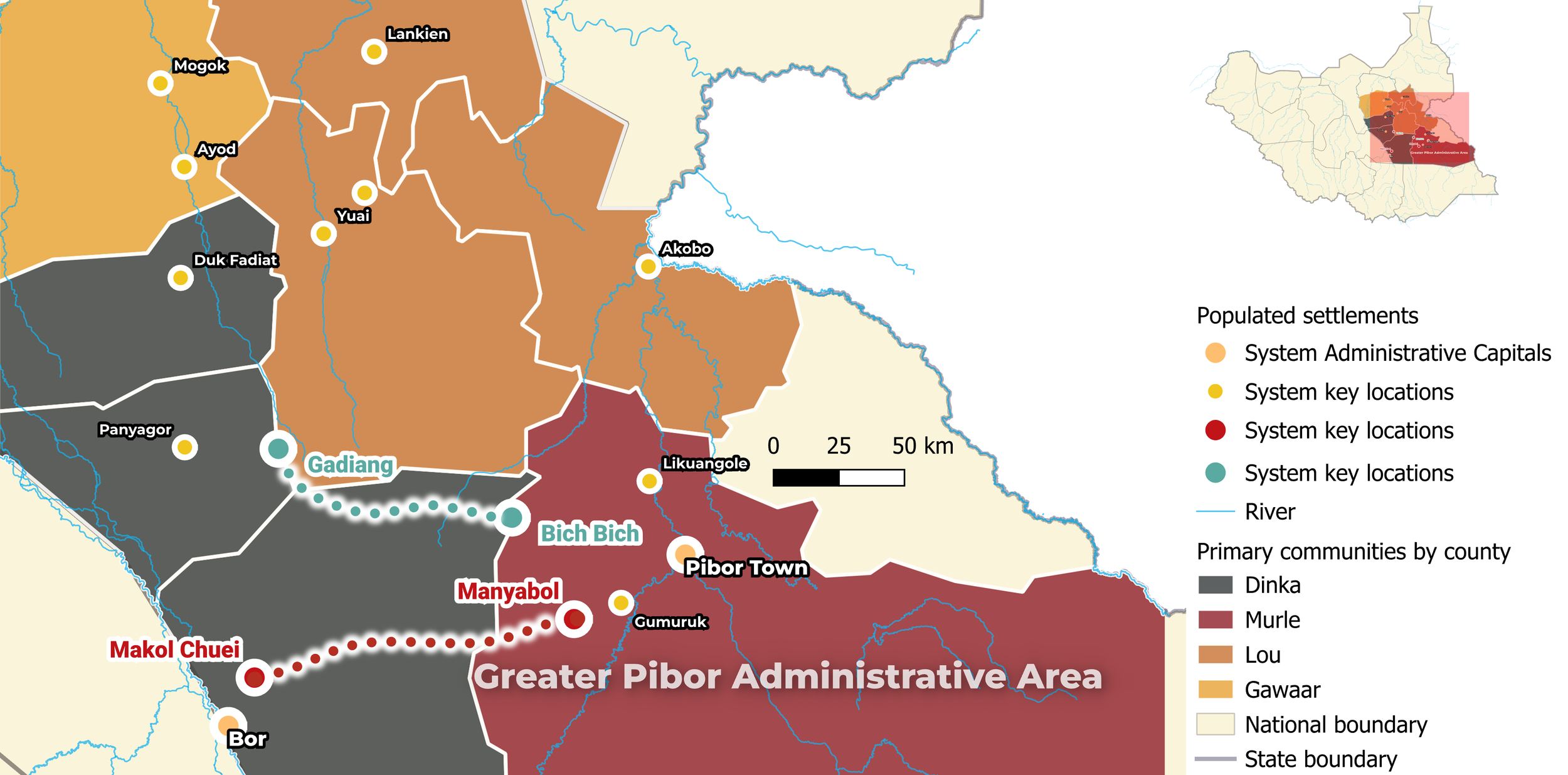
The routes the two groups will take to link the communities together
How it will work?
Two key road corridors will be reopened as part of the initiative (see map above). Four teams of 50 youth each, accompanied by POF and Peace Canal staff, will lead the effort.
One corridor links Manyabol in Gumuruk County with Makol Cuei in Bor South County. Murle and Dinka youth will travel from opposite directions and meet at a place called Lockichar. The second corridor connects Bichibich in the Nanaam area of the GPAA with Gading in Jonglei State. Youth groups will begin from both ends – also now joined by a smaller contingent of the Lou Nuer youth – and meet in a place called Lotho.
At the designated meeting points the youth will interact with each other and mixed groups of Dinka and Murle Youth will be formed. These groups will then continue together towards their respective starting areas, jointly sharing peace joint messages along the routes.
The Makol Cuei–Manyabol route is expected to take 10 days to complete, while the Bichibich–Gading route is expected to take 13 days.
Why does POF support this and why does it matter?
POF’s approach is centred on responding to priorities identified and driven by communities themselves, and road opening is one such priority. It also builds on the efforts and progress of the Pieri Peace Agreement, which has anchored peace efforts between these communities since 2021.
This is not the first effort to reopen these corridors.
Earlier attempts were undertaken with strong community mobilisation. However, some efforts were hindered by seasonal flooding, difficult terrain, and insecurity in surrounding areas. Importantly, these setbacks did not diminish community commitment. Instead, they generated important lessons to guide future road opening activities, particularly regarding timing and coordination.
The continued demand for road reopening, despite previous obstacles, reflects the depth of local commitment and a shift from externally facilitated meetings towards community-owned practice, fostering a habit of cooperation and peaceful approaches to conflict even in the face of challenges.
Hope and commitments in the face of security challenges in Northern Jonglei
Unfortunately, road openings along the Murle–Nuer corridors cannot proceed at this time due to the security dynamics in northern Jonglei. However, some Lou Nuer cattle camp leaders have publicly committed to joining Dinka and Murle youth in advancing the initiative and supporting its wider success.
This gesture of solidarity highlights young people’s commitment to taking ownership of the peace process, as well as the growing strength of relationships and the shared desire for peace leadership emerging among youth from these three communities.
When communities choose to reconnect, they are not simply reopening roads; they are laying the foundations for lasting peace.
This article was written in collaboration with AI.
