
When Women Come Together, Peace Takes Root
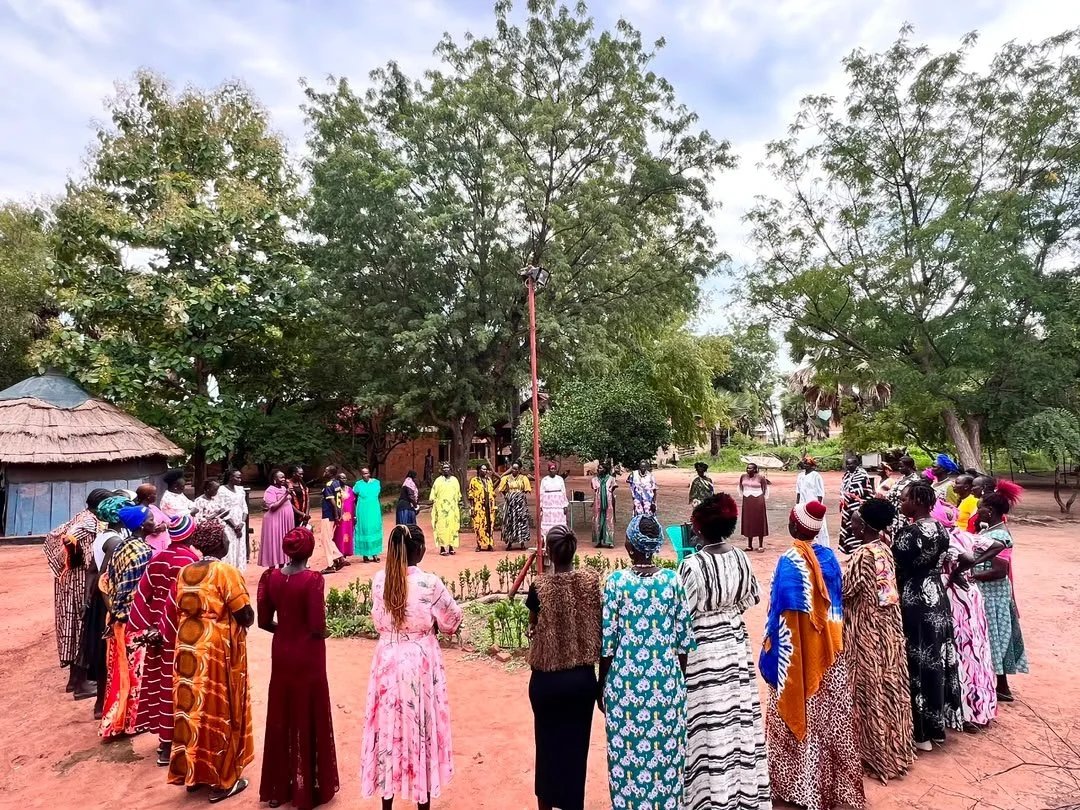
In communities across Lakes State, women often carry some of the heaviest consequences of conflict. They lose husbands and children, care for displaced families, struggle to keep children in school, and hold households together when violence disrupts everyday life.
Yet women are not simply victims of conflict. Every day, often without recognition, they are also building peace.
They calm tensions within families, counsel young people, discourage revenge, mediate disagreements and carry messages between communities. They understand that peace is not only negotiated in formal meetings. It is also built around cooking fires, in churches, women’s groups, cattle camps, and conversations between parents and children.
This quiet but powerful leadership was at the heart of a two-day Bridges of Peace (BOP) Women’s Reunion Circle in Rumbek over two days from 20-21 August 2026, which brought together women from Cueibet County, Rumbek North, Rumbek East and Rumbek Centre.
For many, it was their first opportunity to meet women from the other counties. They arrived with different backgrounds and experiences: young women, widows, women with disabilities, established community leaders and women who were still finding the confidence to speak publicly.
But as they shared their stories, something important happened. The boundaries between them began to matter less.
Turning Pain into Leadership
Women spoke openly about conflict, loss, family pressures and the responsibilities they carry within their communities. Their stories were sometimes painful, but they were also stories of courage and resilience.
One woman reflected on losing her son and how participating in Bridges of Peace and connecting with other women helped her find hope again. Her own journey through grief has given her the strength to encourage other women facing similar loss.
Another young woman spoke about losing her father, experiencing financial hardship and facing pressure to marry. Despite these challenges, she remained determined to continue her education, completed Senior Four and worked to support herself and her mother.
Their experiences remind us that peacebuilding is also about restoring hope and dignity. A woman who finds her voice again can strengthen a family. A woman who chooses reconciliation over revenge can influence her children. A woman who has survived loss can become a source of strength for others.
This is how peace takes root.
Peace Begins at Home
Throughout the reunion, one message repeatedly emerged: peace begins at home.
The women recognised their influence over the next generation. They spoke about the importance of talking to both boys and girls, knowing what their children are doing, discouraging revenge and helping young people understand the consequences of violence.
They also discussed early marriage, barriers to girls’ education, cattle-related violence, looting, revenge and the involvement of young people in conflict.
But they did not stop at describing the problems. They asked a more important question: What can we, as women, do?
Their answers were practical. Women committed to organising conversations in churches, villages, cattle camps and women’s centres. Some will engage chiefs, commissioners and other local leaders when tensions emerge. Others want to use radio to amplify women’s voices for peace.
They also agreed to remain connected across county boundaries and share verified information when tensions arise. In places where rumours can quickly fuel fear and retaliation, trusted relationships between women in neighbouring communities can become an important form of early warning and conflict prevention.
Building Peace That Lasts
The women also recognised that peace cannot be separated from the everyday struggle to survive. A mother who cannot feed her children or pay school fees faces pressures that affect her ability to participate in community life.
Through Village Savings and Loan Associations, peace farms, tailoring, bead-making and other small businesses, women are finding ways to strengthen their livelihoods while building their independence and confidence. Economic resilience gives women greater space to make choices, support their families and contribute to decisions affecting their communities.
The Rumbek reunion was therefore about much more than bringing women together for two days. It was about recognising something that already exists across Lakes State: women are peace leaders.
They may not always sit at formal negotiating tables or hold official titles, but they are present where peace is either protected or lost: in homes, families, churches, markets, villages and relationships between communities.
The women returned to Cueibet, Rumbek North, Rumbek East and Rumbek Centre with new relationships, renewed confidence and commitments to act together. Women who had once been strangers can now call one another when tensions emerge, share information, encourage one another and carry messages of peace across community boundaries.
Four counties came together. New relationships were formed. Pain was shared, but so was hope.
And perhaps that is one of the most important lessons from Bridges of Peace: sustainable peace in Lakes State will not be built by political agreements alone. It will also be built by women who choose, every day, to turn loss into leadership, division into connection and their influence within families and communities into a force for peace.
When women come together, they do more than build bridges between communities. They become the bridges…